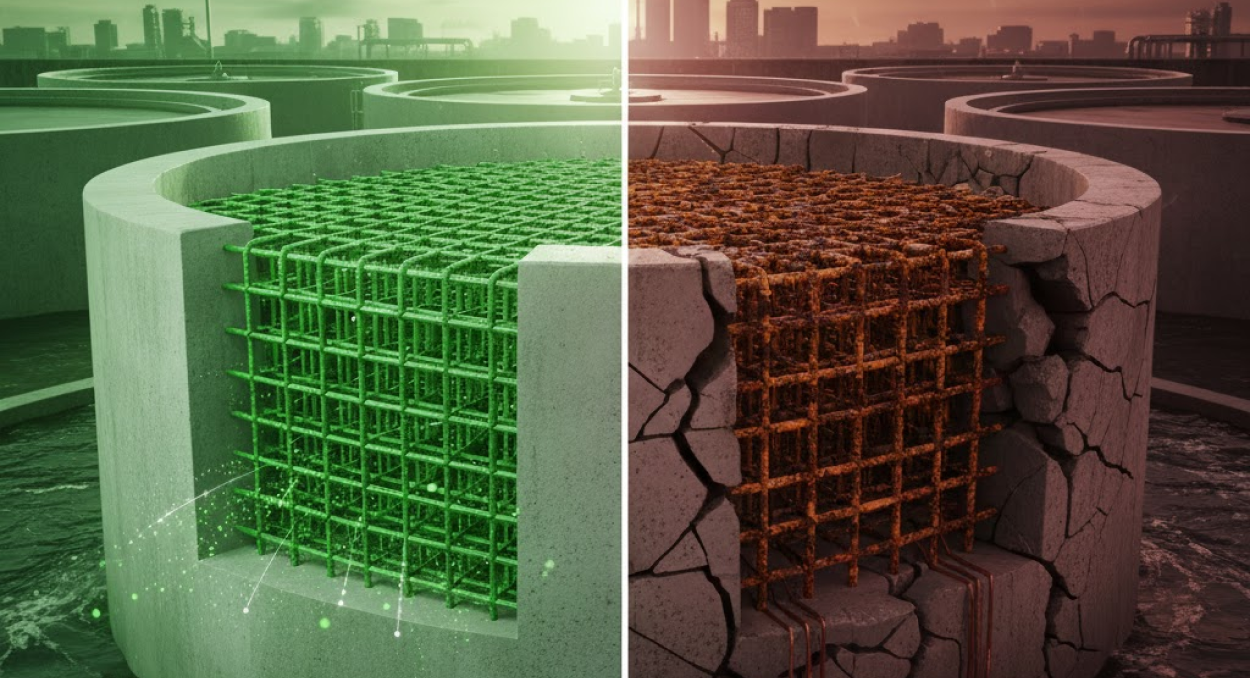
Sustainable Reinforcement: How GFRP Rebar Reduces Carbon & Waste
Longer-lasting infrastructure with a lower environmental footprint
Construction is rapidly evolving to meet green and sustainable standards. Environmental regulations, LEED certifications, and long-term infrastructure goals require materials that do more than perform well — they must also reduce waste, emissions, and lifecycle impact.
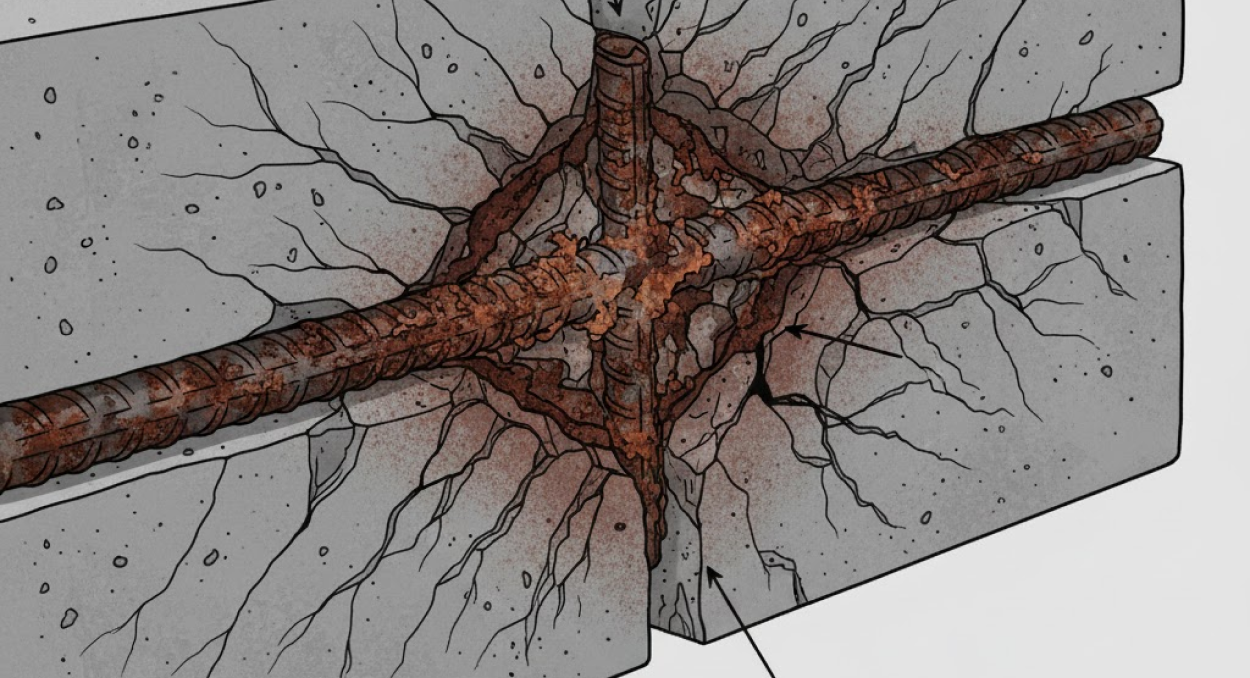
Steel rebar has long been used for reinforcement, but its biggest weakness — corrosion — leads to premature demolition, heavy waste, and repeated repairs, driving up carbon footprint.
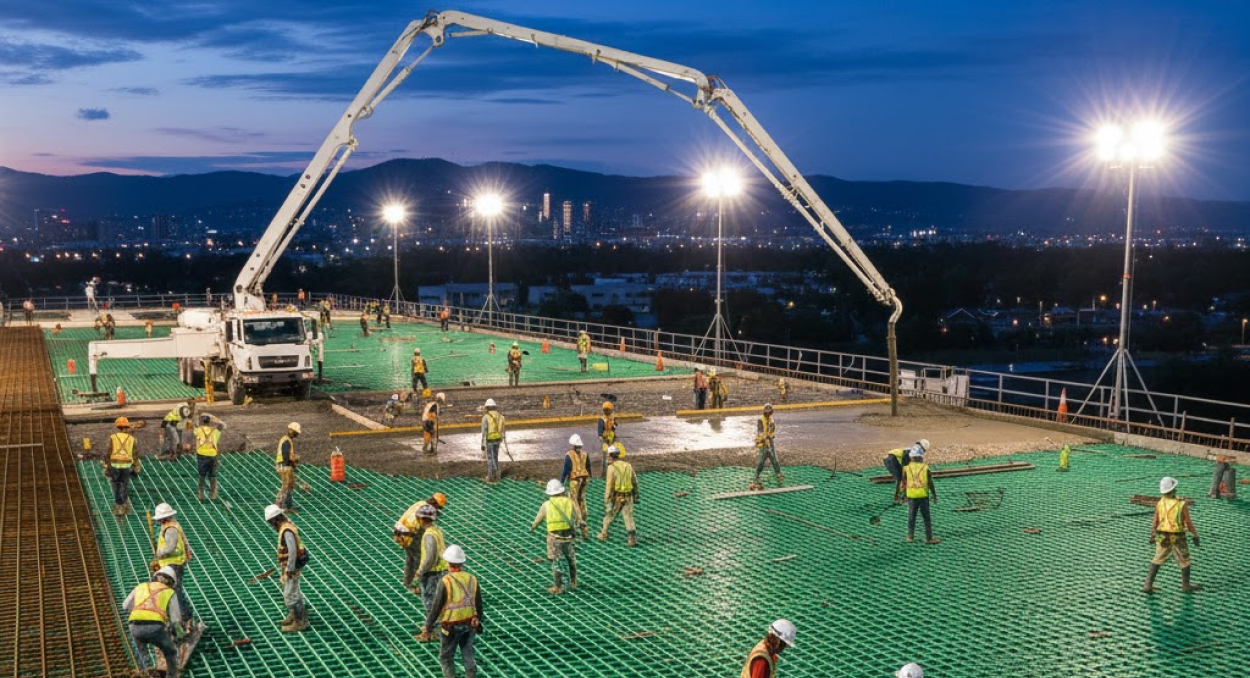
GFRP Rebar & Mesh (Glass Fiber Reinforced Polymer) provide a modern reinforcement option with:
- Zero corrosion
- Longer service life
- Reduced CO₂ emissions
- Minimum maintenance and waste
The Environmental Cost of Steel Corrosion
When steel rusts, concrete cracks. This causes:
- Demolition of large concrete sections
- Frequent patching and repairs
- Traffic detours and operational shutdowns
- Higher landfill waste
- Increased carbon emissions from new construction
Globally, corrosion in reinforced concrete is responsible for billions of dollars in structural repairs each year — and a significant amount of avoidable CO₂ emissions.
Why GFRP is a Greener Alternative
GFRP is engineered for a 100+ year service life with no deterioration, which means:
- No corrosion repairs
- No coating chemicals needed
- Less concrete waste sent to landfills
- Fewer reconstruction cycles
- Lower transportation emissions due to lightweight nature
- No heavy equipment required for installation
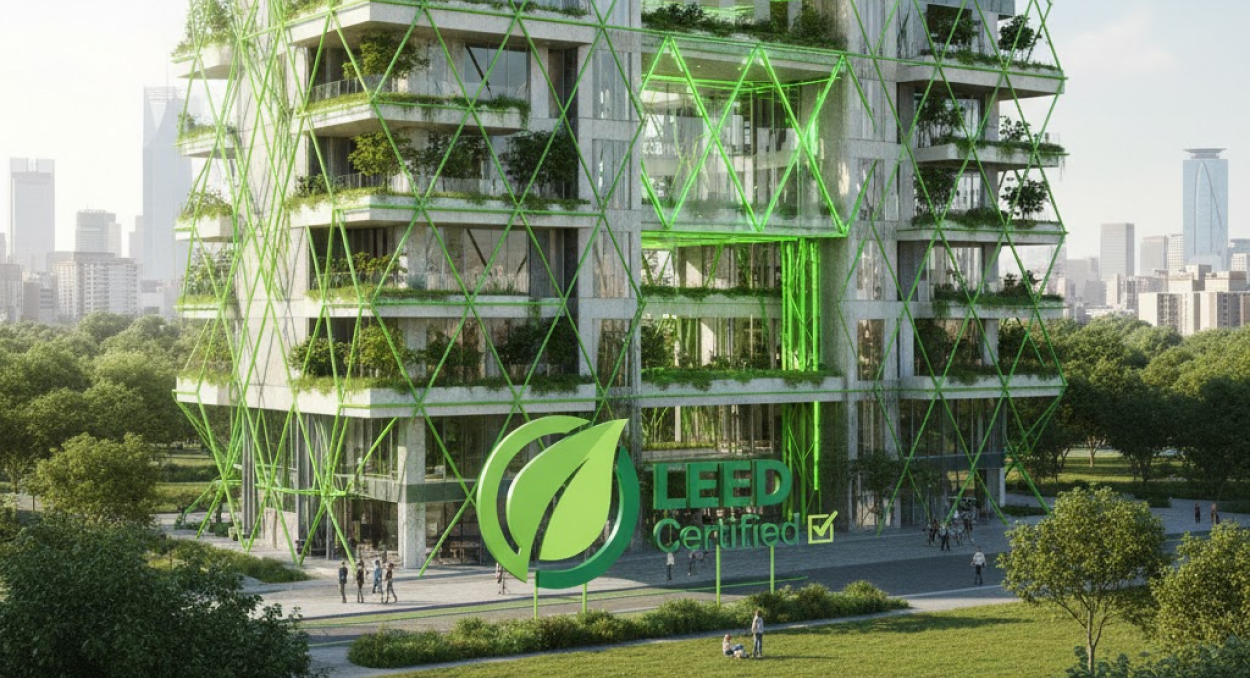
GFRP in LEED & Green Building Certifications
GFRP helps projects achieve sustainability and environmental performance goals, including:
- LEED Material Optimization Credits
- Reduced lifetime environmental impact
- Longer durability = lower replacement footprint
- Lower energy and emissions from transportation
- Improved operational continuity (no shutdowns)
Lifecycle Comparison — Carbon & Waste
Sustainability Factor
GFRP Rebar
Steel Rebar
Repair Waste
Zero
Very high
Service Life
75–100+ years
20–40 year
Carbon Footprint Over Life
Very low
High
Need for Replacement
One cycle
Multiple cycles
Hazardous Coatings
None
Often require
Application-Based Sustainability Benefits
How sustainable reinforcement improves different industries.
1- Residential & Commercial
- No major mid-life concrete repair waste
- Lower lifecycle cost for owners
- Better waterproofing — fewer damage claims
2- Bridges & Highways
- No rust means no traffic disruption for concrete repairs
- Less carbon from heavy machinery and rework cycles
- DOTs can achieve 100-year bridges
3- Marine & Coastal
- Steel rapidly corrodes in saltwater
- GFRP prevents demolition and waste from failed concrete
- Protects coastal resources and ecosystems
4- Industrial & Chemical Facilities
- Prevents chemical contamination caused by steel corrosion
- Less material replacement in hazardous areas
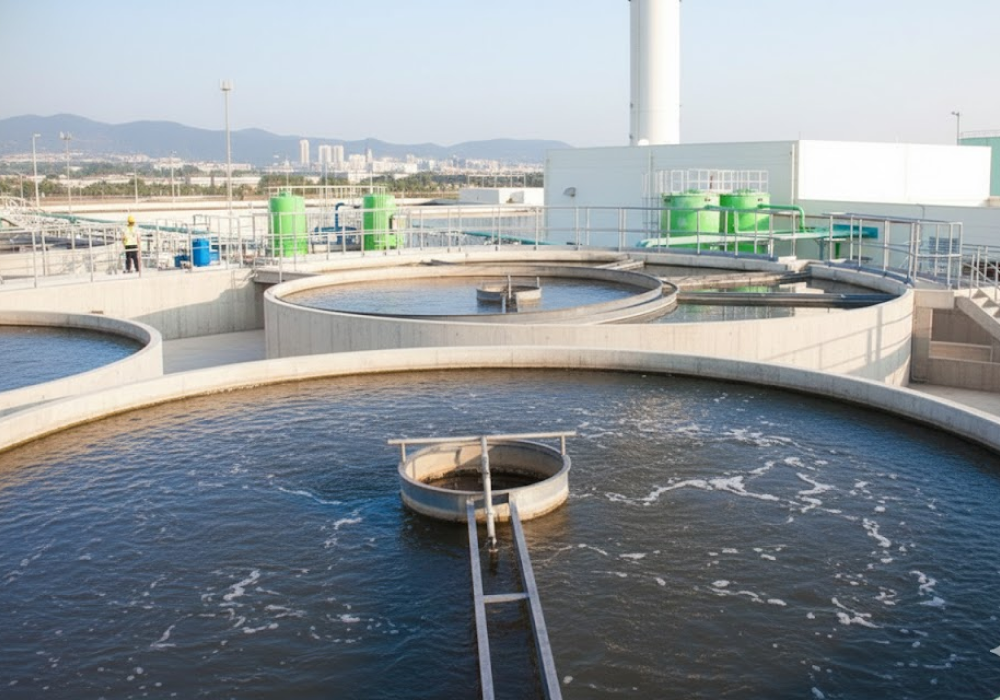
5- Wastewater Treatment
- Eliminates chemical corrosion-based failures
- Prevents leaks that could contaminate groundwate
6- Healthcare & Labs
- Fewer repairs → safe & clean operational continuity
- Supports hygiene and contamination control
7- LEED & Sustainable Projects
- Lightweight → fewer transport emissions
- Longer design life → less construction waste
- Perfect alignment with low-carbon infrastructure goals
Real Example: Marine Retaining Wall
With steel rebar:
- Severe corrosion in 15–20 years
- Full demolition required
- Tons of concrete waste dumped into landfill
- High CO₂ emissions from rebuild
With GFRP Rebar:
- No corrosion → no demolition
- Structure stays intact for 75–100+ years
- Zero waste from reinforcement failure
Sustainability ROI Table
Factor
GFRP Rebar
Steel Rebar
Waste Production
Lowest
High
Carbon Emissions
Low
High
Service Disruption Impact
None
Major
Material Replacement Cycles
1 cycle
2–3 cycles
Environmental Compliance
High
Low
Conclusion
True sustainability is not just about materials — It’s about eliminating failure and preventing waste.
GFRP Reinforcement delivers:
- Zero corrosion
- Longer service life
- Lower carbon footprint
- Reduced landfill waste
- LEED-friendly performance
- Better outcomes for future generations
Zero corrosion isn’t a luxury — It's the new standard for modern construction. — visit: www.gogbars.com