Stronger Together: How GFRP Rebar Achieves Excellent Bond Strength with Concrete
Better crack control and long-term load performance
Concrete is strong in compression — but weak in tension. That’s why reinforcement exists: to carry tensile forces and prevent cracks from widening.
For the reinforcement to do its job effectively, it must bond strongly with the surrounding concrete. Poor bond strength leads to:
- Slip between reinforcement and concrete
- Wider and faster crack development
- Reduced structural performance and safety
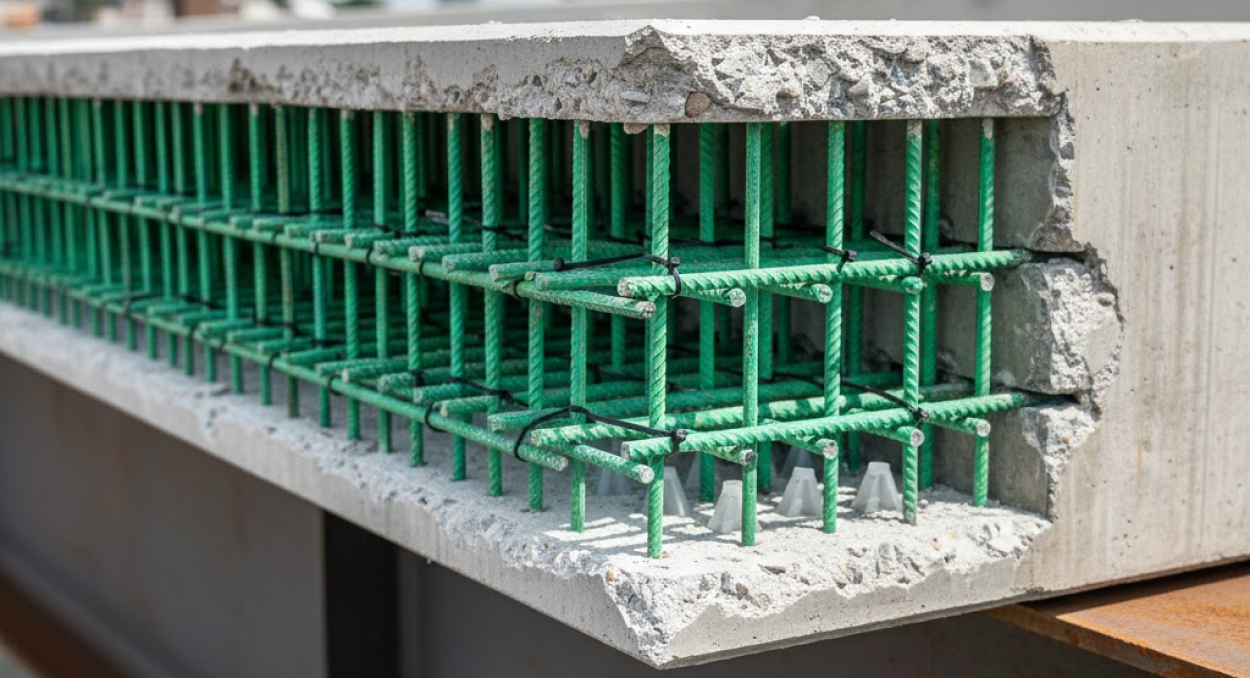
GFRP Rebar and GFRP Mesh are engineered to deliver superior bond strength, ensuring concrete structures remain durable — for their entire lifespan.
Why Bond Strength Matters?
Bond strength is what ensures:
- Load transfer between concrete and reinforcement
- Cracks stay small and manageable
- Structural performance remains reliable
- No sudden failures from reinforcement slip
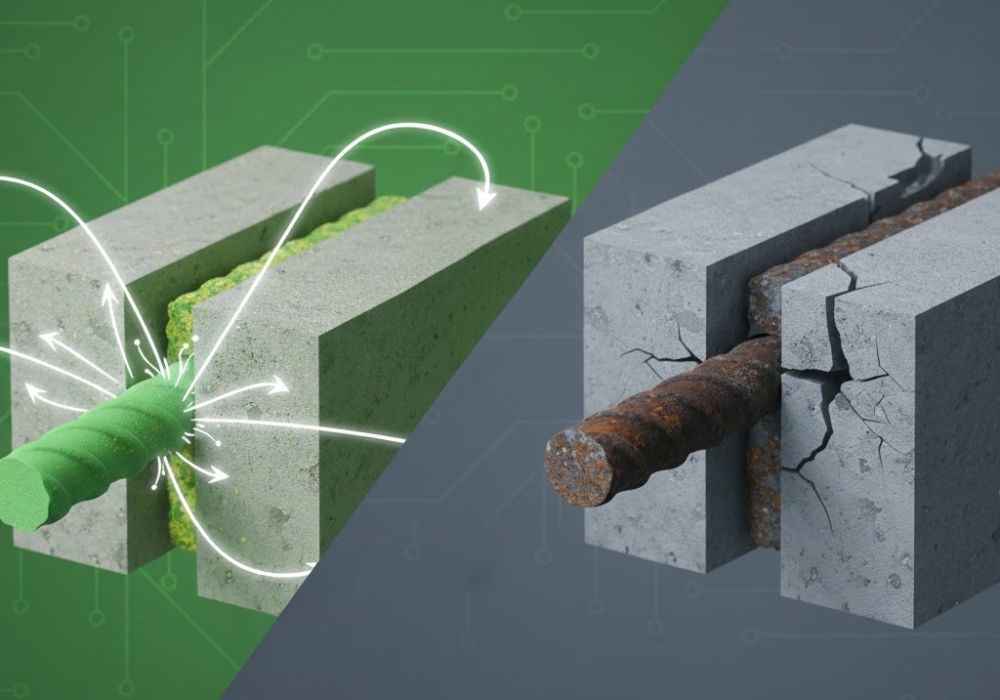
Steel has good initial bond — but its major weakness:
Corrosion reduces steel’s bond strength over time
How GFRP Rebar Maintains High Bond Strength
GFRP reinforcement is designed specifically for excellent bonding:
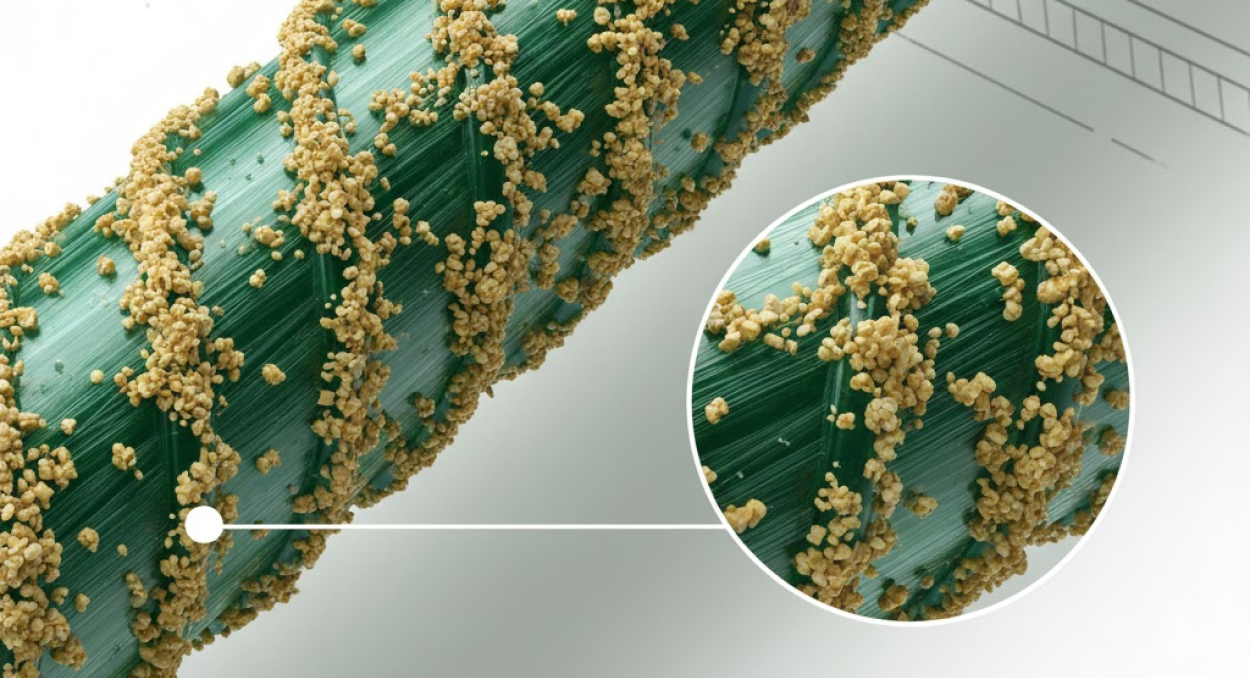
- Sand-coated surface provides friction grip
- Ridges and helical texture enhance mechanical interlock
- Chemical inertness prevents surface deterioration
Steel vs GFRP — Bond Performance Comparison
Feature
GFRP Rebar
Steel Rebar
Initial Bond
Excellent
Good
Long-Term Bond
Remains strong — no corrosion
Weakens — corrosion breaks concrete bond
Crack Control
Constant crack resistance
Declines as steel rusts
High-Chloride Areas
No performance loss
Rapid deterioration
Bond Strength Importance in Applications
Below: How strong bond improves performance across industries.
1- Residential & Commercial Buildings
- Reduced slab cracks → fewer waterproofing issues
- Better long-term performance in basements & podium decks
Example:
High-rise podium slabs using GFRP avoid crack repair costs in parking areas.
2- Bridges & Highways
- Traffic vibration constantly stresses reinforcement
- Strong bond prevents acceleration of cracks
- Better durability in bridge decks and barriers
Example:
High-rise podium slabs using GFRP avoid crack repair costs in parking areas.
3- Marine & Coastal Structures
- Saltwater accelerates steel bond failure
- GFRP stays bonded under harsh chloride exposure
Example:
Coastal piers using GFRP avoid severe cracking that leads to expensive concrete spalling.
4- Industrial & Chemical Facilities
- Dynamic machinery loads demand high load transfer efficiency
- GFRP bonding remains unaffected by chemical exposure
5- Wastewater Treatment Tanks
- Tanks must stay watertight
- Strong GFRP bond avoids crack leaks and contamination risks
6- Healthcare & Labs
- Crack prevention helps support clean, controlled environments
- Essential for hospitals and pharmaceutical facilities
7- LEED & Sustainable Projects
- Minimal cracking = longer life = fewer repairs = lower carbon impact
- Essential for hospitals and pharmaceutical facilities
Real Case Example — Wastewater Tank
A treatment plant reinforced with steel:
- Rust appears in a few years
- Cracks widen → leaks develop
- Major repair needed
Same application with GFRP:
- Bond remains strong
- No crack expansion
- No shutdown for maintenance
Bond Strength ROI Benefits
Performance Factor
GFRP Rebar
Steel Rebar
Long-Term Bond
Maintains
Weakens
Crack Resistance
Consistent
Reduces
Repair Cost
Zero corrosion repairs
High
Service Life
Longer
Shorter
Conclusion
Bond strength is what ensures concrete and reinforcement behave as one. If the bond fails — the structure fails.
GFRP Rebar & Mesh provide:
- Superior bond performance
- Consistent crack control
- No corrosion damage
- Reinforcement reliability over 100+ years
Zero corrosion isn’t a luxury — It's the new standard for modern construction. — visit: www.gogbars.com